Celiac Disease Diagnosis: What Is the Triple Positive Criteria?
Diagnosing celiac disease can be complex, but recent advancements have made it easier in some cases. Traditionally, a biopsy of the small intestine was required to confirm the diagnosis. However, a newer approach called the “triple positive” criteria may allow certain individuals to be diagnosed without undergoing a biopsy.
This blog explains what the triple positive diagnostic approach is, who qualifies, and why a biopsy is still necessary in some cases.
What Is Celiac Disease?
Celiac disease is an autoimmune disorder triggered by consuming gluten—a protein found in wheat, barley, and rye. When someone with celiac disease eats gluten, their immune system attacks the lining of the small intestine, leading to inflammation, nutrient malabsorption, and a wide range of symptoms.
Common symptoms include:
- Bloating and gas
- Chronic diarrhea or constipation
- Fatigue
- Iron deficiency anemia
- Unexplained weight loss
- Skin rash (dermatitis herpetiformis)
The Triple Positive Criteria for Celiac Disease
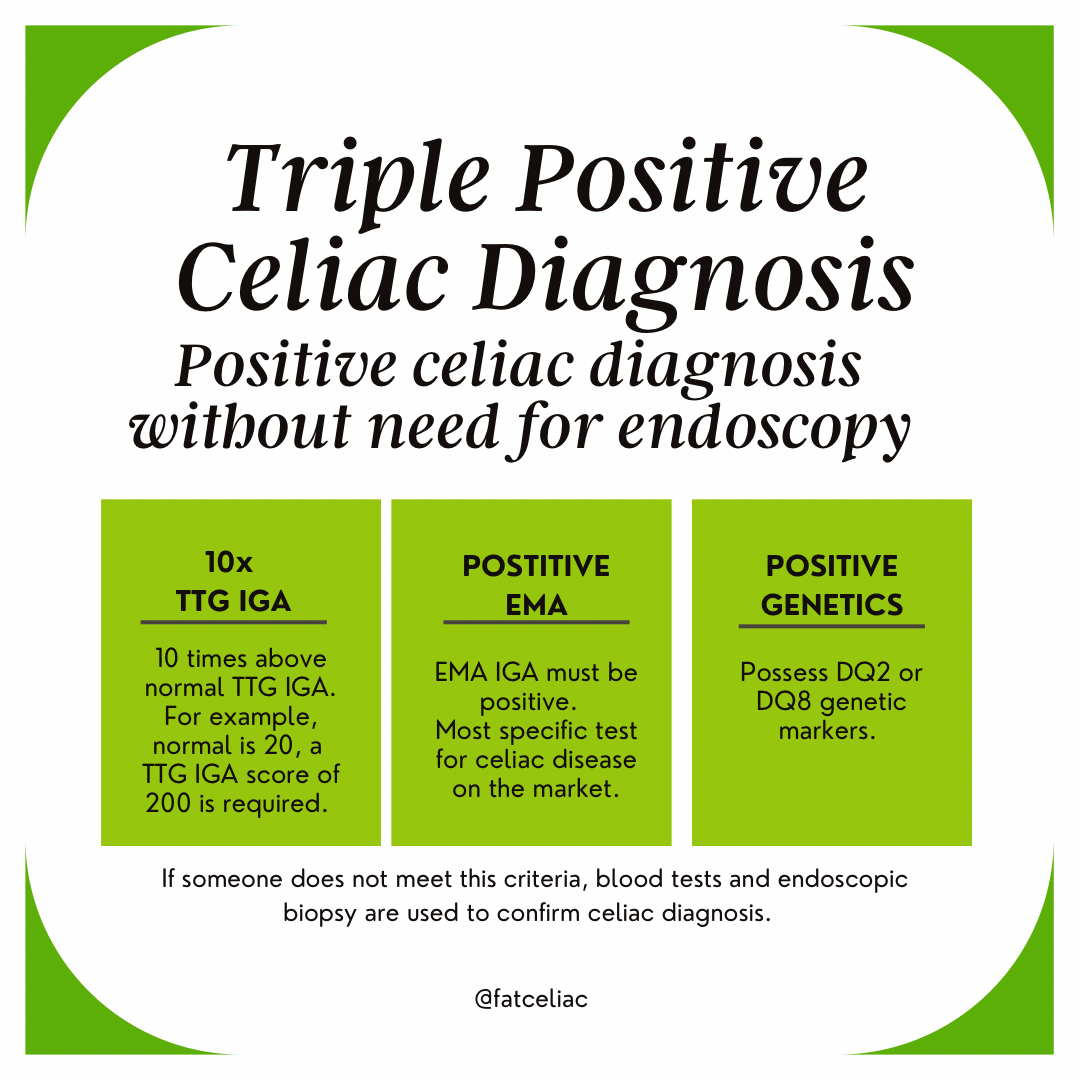
Under certain guidelines, including those from the European Society for Paediatric Gastroenterology Hepatology and Nutrition (ESPGHAN), patients who meet three specific conditions may be diagnosed with celiac disease without a biopsy.
These criteria include:
- Positive tissue transglutaminase antibodies (tTG-IgA)
- Positive endomysial antibodies (EMA-IgA)
- Presence of HLA-DQ2 or HLA-DQ8 genes
If these three markers are present alongside symptoms or a family history, the diagnosis of celiac disease can be confidently made without the need for invasive testing.
When Is a Biopsy Still Necessary?
Despite the promise of the triple positive approach, a biopsy is still essential in many situations, including:
- When not all three criteria are met
- If blood test results are borderline or inconsistent
- If the patient is already on a gluten-free diet (which can affect test results)
- When symptoms suggest an alternative diagnosis
In these cases, a small intestine biopsy remains the gold standard for confirming celiac disease. It allows doctors to see the extent of intestinal damage and rule out other conditions with similar symptoms.
Why Accurate Diagnosis Matters
Misdiagnosing or missing celiac disease can lead to long-term health complications, including osteoporosis, infertility, neurological disorders, and even increased risk of certain cancers.
That’s why it’s crucial to follow the right diagnostic pathway based on test results, symptoms, and individual medical history.
Final Thoughts: Be Informed, Get Tested
If you suspect celiac disease or have a family history, speak with a healthcare provider about testing. Ask about the triple positive criteria—but also understand that a biopsy may still be necessary to confirm the diagnosis.
The earlier celiac disease is diagnosed, the sooner symptoms can improve and complications can be prevented.
Need more information? Share this post with friends or family who may be struggling with undiagnosed digestive issues—it might help someone finally get the answers they need.

Leave a Reply